
Secondary Glazing for Listed Buildings in South Yorkshire
Enquire Today For A Free No Obligation Quote
At Secondary Glazing for Listed Buildings, we specialise in designing and installing discreet, effective secondary glazing in South Yorkshire for properties with listed status or within conservation areas.
Since listed buildings are subject to strict controls over their original windows, secondary glazing provides an approved, non-invasive way to improve thermal insulation, reduce noise, and enhance security, without altering or removing the existing historic fabric.
We tailor each installation to meet planning expectations, preserve your building’s character, and improve comfort in line with modern living standards.
Request a free consultation and tailored quote for specialised secondary glazing for listed buildings in South Yorkshire today.
What Is Secondary Glazing and How Does It Work?
Secondary glazing in South Yorkshire involves installing a slim, discreet internal window behind the original window, creating an insulating air gap between the two panes.
Since the original windows in listed buildings cannot usually be replaced, secondary glazing offers a reversible, conservation-approved solution that improves thermal performance and soundproofing without compromising heritage value.
This method is particularly effective for sash windows, stone mullions, or stained-glass windows where modern replacements would be prohibited.
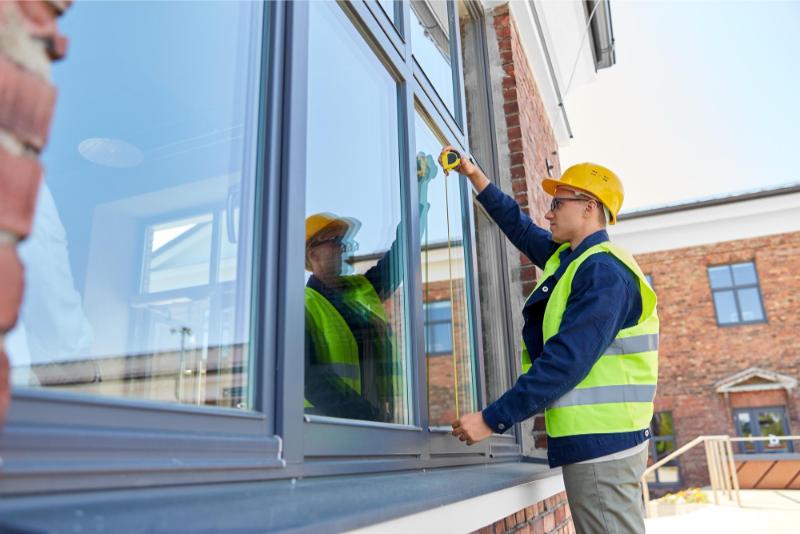
The glazing is fitted inside the existing frame using bespoke measurements and a low-profile frame that remains virtually invisible from the exterior.
How Much Does Secondary Glazing for Listed Buildings in South Yorkshire Cost?
The cost of secondary glazing for listed buildings in South Yorkshire starts from £350 to £600 per window.
The cost depends on size, shape, and glazing specification.
Since listed buildings often have sash windows, arched frames, or bespoke joinery, the pricing is influenced by the complexity of the installation and the level of customisation required.
For standard sash-style secondary glazing with a vertical sliding unit, expect prices between £400 and £700 per window. Lift-out or hinged panels for larger casement windows may cost between £500 and £900, especially if acoustic or laminated glass is used.
For curved, arched, or oversized heritage windows, the cost can exceed £1,000 per unit, as these require specialist manufacturing, templating, and hand-finishing.
Is Secondary Glazing Allowed in Listed Buildings?
Secondary glazing for listed buildings in South Yorkshire is widely accepted by conservation officers as it does not alter or damage the original fabric of the property.
Since listed status protects the external and internal features of historic windows, secondary glazing is considered a sympathetic solution because it is completely reversible.
Planning permission is not always required, but Listed Building Consent may be necessary depending on the building grade and local authority.
We support this process by supplying detailed drawings, specifications, and conservation-friendly designs that align with heritage standards and the National Planning Policy Framework (NPPF).
Do I Need Listed Building Consent for Secondary Glazing?
Secondary glazing in listed buildings in South Yorkshire can be installed without full planning permission, but Listed Building Consent may still be required.
Since the installation occurs internally, it is often considered a minor intervention. However, any changes that affect the character of a protected feature, even from within, can still fall under listed building control.
We carry out a site survey, assess the listing details, and liaise with your local conservation officer if necessary.
Where consent is needed, we provide supporting documentation, technical drawings, and product specifications to help secure approval.
Will Secondary Glazing Affect the Appearance of My Property?
Professionally installed heritage secondary glazing in South Yorkshire is designed to be as unobtrusive as possible and is virtually invisible from the outside.
Since listed buildings rely on their visual integrity for historical significance, we use ultra-slim aluminium frames, powder-coated finishes, and customised profiles that blend into internal décor without altering window sightlines.
Each unit is measured precisely to fit behind sash windows, casements, or fixed frames, ensuring that the property retains its original appearance and character both inside and out.
What Are the Benefits of Secondary Glazing for Listed Buildings?
Secondary glazing enhances performance while respecting heritage restrictions:
- Improves heat retention and reduces draughts
- Provides up to 80% noise reduction in urban or roadside locations
- Adds an extra layer of security and window protection
- Prevents condensation without removing original glass
- Fully reversible and non-invasive for conservation approval
- Slimline, discreet, and designed to preserve period detail
As it meets both aesthetic and regulatory demands, it’s one of the most effective upgrades for listed and protected properties.
Can You Install Secondary Glazing on Sash Windows?
We regularly install secondary glazing on sash windows in listed buildings in South Yorkshire, including both traditional box sashes and modern reproductions.
Since many heritage homes feature original timber sash windows, it’s essential to use a system that preserves full function and appearance.
We use lift-out, vertical sliding, or horizontal sliding units that mirror the movement of the sash while staying entirely separate from the original frame.
These units are made-to-measure, allowing full window access for ventilation and maintenance without affecting the sash’s timber, paintwork, or glass.
Does Secondary Glazing Affect Ventilation?
When designed properly, secondary glazing in listed buildings in South Yorkshire does not reduce or restrict natural ventilation.
Since heritage properties rely on passive ventilation through original windows, we offer sliding or hinged secondary glazing units that can be partially or fully opened to allow airflow.
We also advise on using discreet trickle vents, if appropriate, or on how to retain airflow through window gaps where conservation officers approve.
As many listed homes struggle with damp or condensation, proper ventilation planning is part of our installation process.
How Long Does It Take to Install Secondary Glazing?
The full process for secondary glazing in South Yorkshire usually takes 2 to 6 weeks from consultation to installation, depending on the number of windows and the complexity of the build.
After an initial site survey, we produce custom measurements for each window and manufacture the glazing units to exact specifications.
Once the units are ready, installation for an average home typically takes 1 to 2 days, with minimal disruption to paintwork, plaster, or internal decoration.
Since everything is built off-site, the on-site work is fast, clean, and suitable for occupied homes, listed buildings, and heritage-sensitive interiors.
Can Secondary Glazing Be Removed in the Future?
Secondary glazing for listed buildings in South Yorkshire is fully reversible and can be removed at any time without damaging the original windows.
As we do not alter, replace, or drill into the historic timber frames, the installation is designed to comply with conservation requirements.
If a property changes ownership or conservation guidance changes, the glazing can be detached cleanly and without visible trace.
Our reversibility is one of the key reasons why conservation officers support its use over full window replacement in listed homes.
How Long Does Secondary Glazing Last?
When professionally installed, secondary glazing in listed buildings in South Yorkshire can last for 20 to 30 years or more with minimal maintenance.
Since we use powder-coated aluminium or treated timber for the internal frame, the materials resist corrosion, warping, and weather-related deterioration—particularly important in properties prone to damp or draughts.
As the glazing is not exposed directly to the elements, it experiences far less wear than external windows, extending its lifespan significantly.
The longevity of the installation also means better long-term thermal performance and consistent energy savings for listed property owners.
Does Secondary Glazing Increase Property Value?
Adding secondary glazing to a listed property in South Yorkshire can improve marketability and potentially increase property value—especially when energy efficiency and comfort are improved without altering heritage features.
Since listed buildings are often perceived as costly to heat and maintain, upgrades like discreet glazing offer a desirable balance of authenticity and modern performance.
Buyers increasingly look for period homes with sympathetic improvements that reduce heat loss and noise, and professionally installed secondary glazing meets that demand without breaching conservation rules.
It can also positively influence EPC assessments in some scenarios, depending on insulation and heating upgrades elsewhere in the home.
Is it Possible to Match the Frames to My Interior Decor?
We offer custom colour options for secondary glazing frames in South Yorkshire, including powder-coated finishes that match your interior palette or window surrounds.
Since listed homes often have unique colour schemes, wood panelling, or decorative architraves, we tailor the frame finish to blend seamlessly with the surroundings.
Slimline aluminium frames are available in hundreds of RAL colours, including off-whites, greys, and timber-effect finishes.
Our flexibility ensures that the glazing doesn’t draw attention away from period detailing or historic craftsmanship within the room.
What If My Windows Have Unusual Shapes or Sizes?
We specialise in creating bespoke secondary glazing for arched, curved, or non-standard windows in listed buildings in South Yorkshire.
As heritage homes frequently feature Gothic arches, stained glass, or multi-pane Georgian windows, we custom-build each unit to exact measurements using laser scanning or templating where required.
This ensures that even the most complex or delicate window designs can benefit from secondary glazing without losing their original shape or sightlines.
Our installers work with precision and care to protect fragile frames and provide a flawless fit.
Get Expert Heritage Glazing in South Yorkshire
At Secondary Glazing for Listed Buildings, we combine conservation knowledge with technical expertise to deliver seamless, approved secondary glazing solutions in South Yorkshire that enhance comfort without compromising heritage.
Whether you’re preparing for a conservation project or simply want to improve your living environment, our specialists will ensure the result meets planning, performance, and aesthetic requirements.
Contact us today to arrange a consultation and find out how secondary glazing for listed building in South Yorkshire can be installed.
Find More Info
Make sure you contact us today for a number of great secondary glazing for listed buildings services.
Here are some towns we cover near South Yorkshire
Sheffield, Chapeltown, Dronfield, Rotherham, SwallownestFor more information on Secondary Glazing for Listed Buildings in South Yorkshire , fill in the contact form below to receive a free quote today.
★★★★★
We chose Secondary Glazing for Listed Building to improve insulation in our Victorian home, and the results were immediate. The installation was tidy, efficient, and completed exactly when promised. Noise reduction has been excellent, and the rooms stay noticeably warmer. A professional service from start to finish.
Carlita Whrite
South Yorkshire
★★★★★
Secondary Glazing for Listed Building provided clear advice and a solution that suited our listed property requirements. The quality of the glazing is outstanding, and the finish blends perfectly with our existing windows. Heating costs have already reduced, which was a major priority for us. I wouldn’t hesitate to recommend them.
James Reedley
South Yorkshire